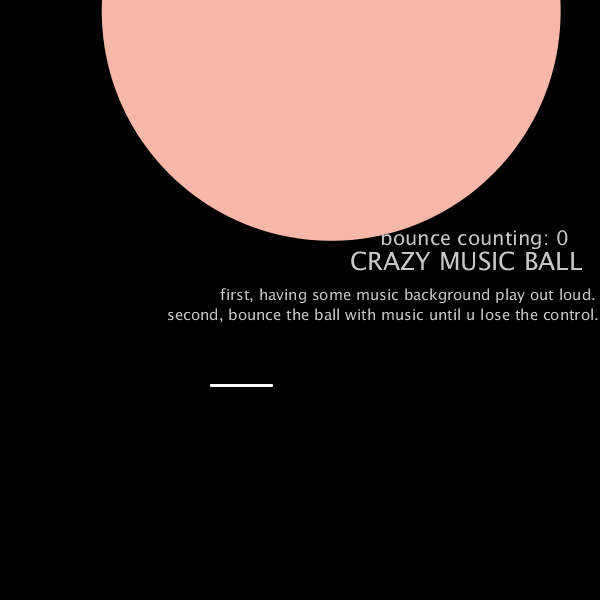
Art from Code: Crazy Bouncing Ball
As a future game designer, I plan to do a simple interactive game at my conference. I spend quite a time on what game should I do. Originally, I am inspired by my city-skyline assignment. In that check-in, I imitated…
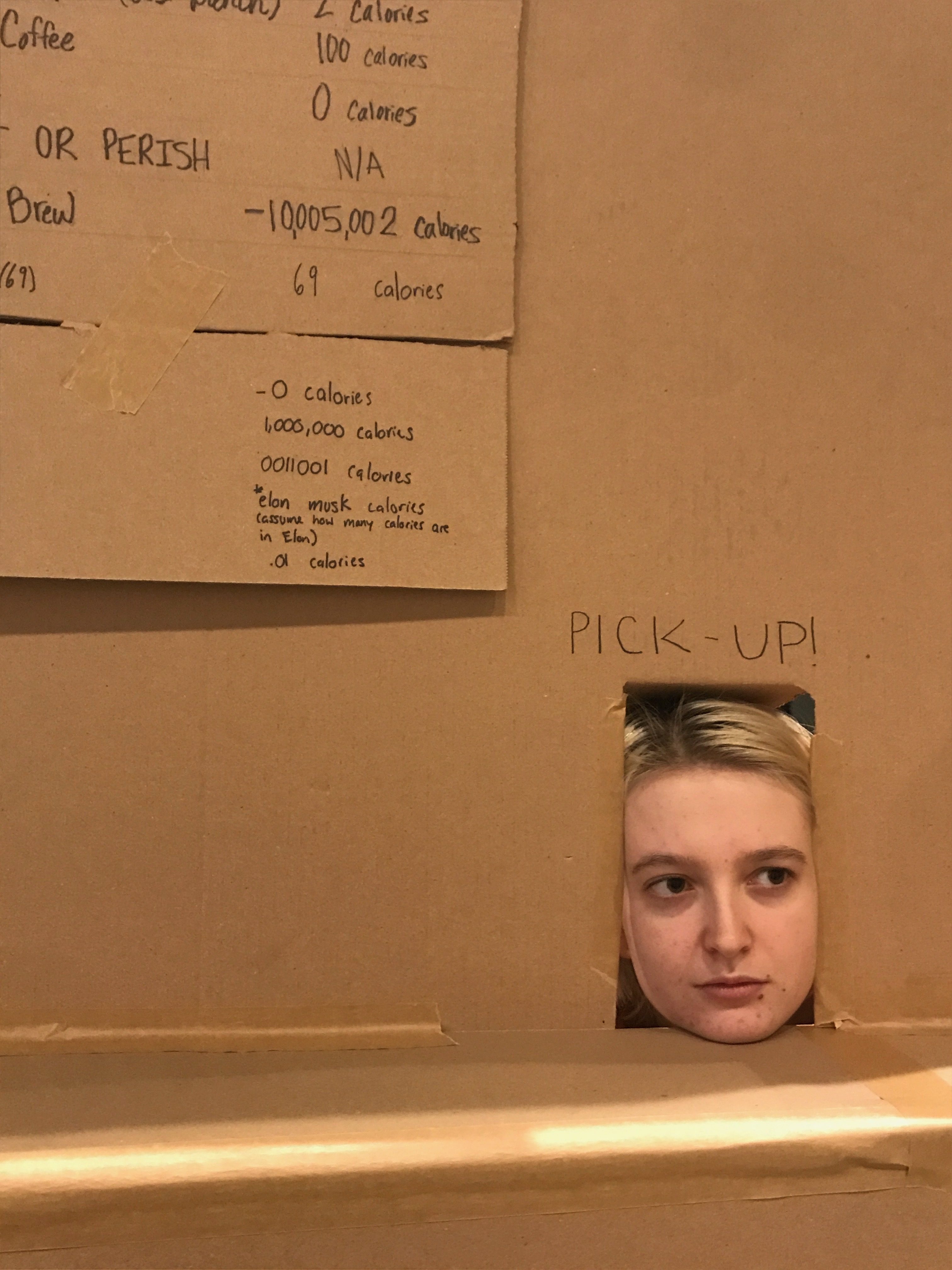
Cultural Hijack: Real Fake Atrium Cafe
Through brainstorming for a space for our Hijack, one of our first ideas was to reinvent the area formerly known as the Atrium Cafe, a Heimbold classic and much-missed coffee and snack source among faculty and students alike. Our next…
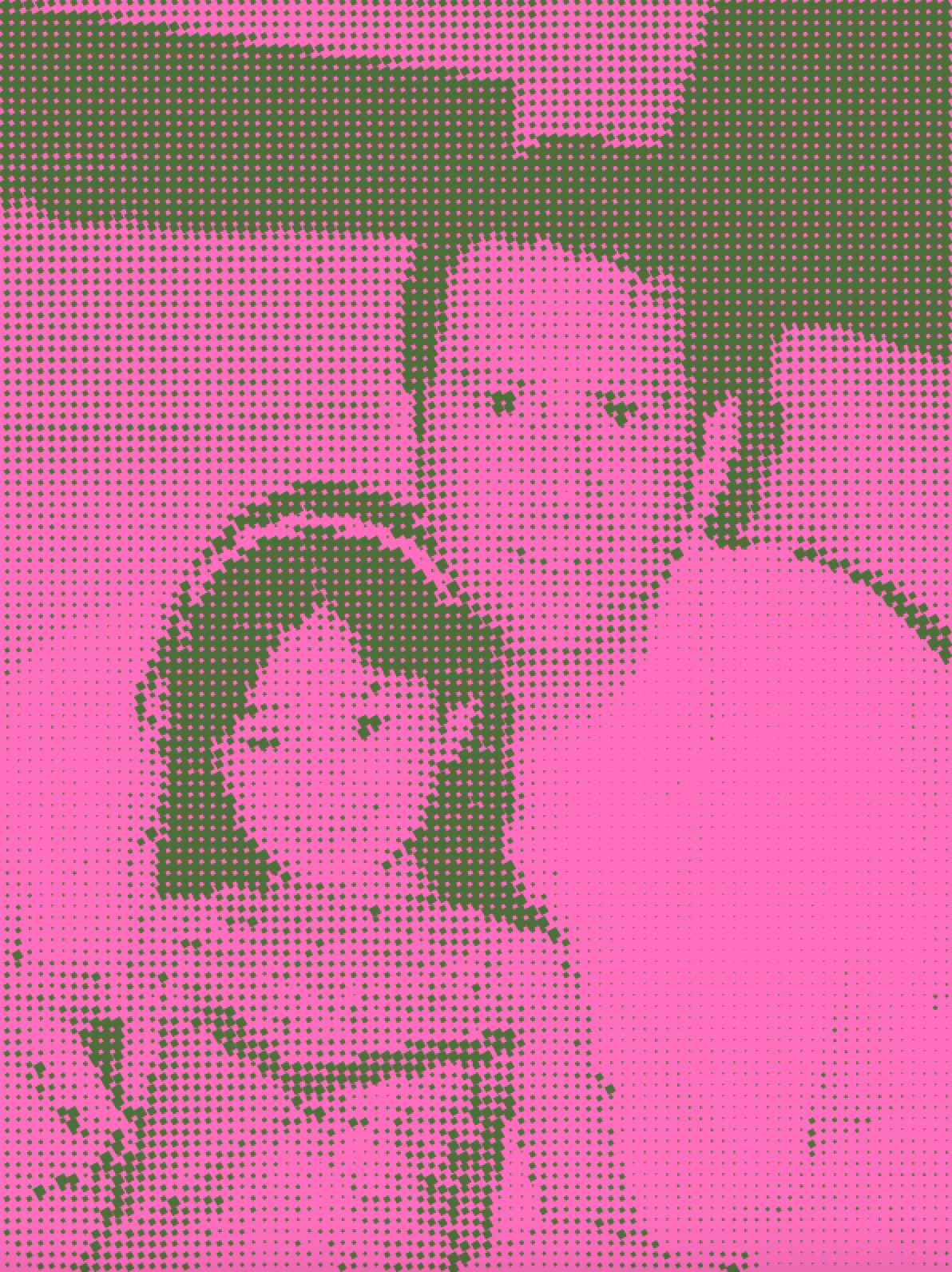
Conference Project: Pixelated Memories
Going into this conference project, I really had no idea what I wanted to create. At the beginning of the semester, Angela and I had discussed where my interests laid both inside and outside of the class. In class, I…
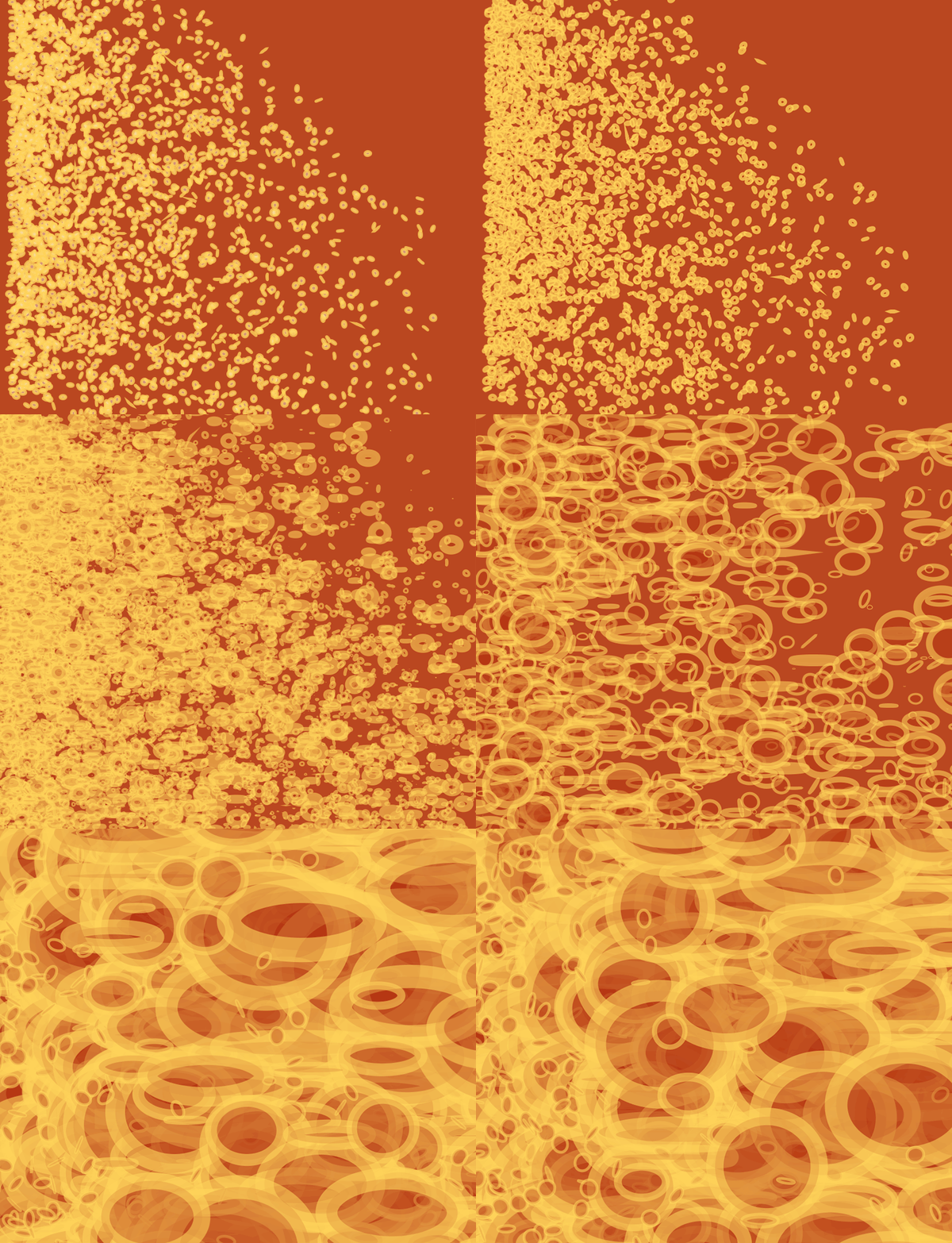
Art From Code: A Response to Georg Nees
This week we were tasked to respond to the thinking of George Nees, a mathematician who became a pioneer in computer arts. He started making drawings with the use of a plotter, employing it as a drawing machine and utilising…

Art from Code: A Response to Grace Hertlein
The Grace Hertlein prompt was a fun one to recreate, to say the least. Out of all the prompts we’ve had to complete this semester, I enjoyed this one the most. This is mainly because Hertlein took inspiration from natural…
Art From Code: Response to Vera Molnar
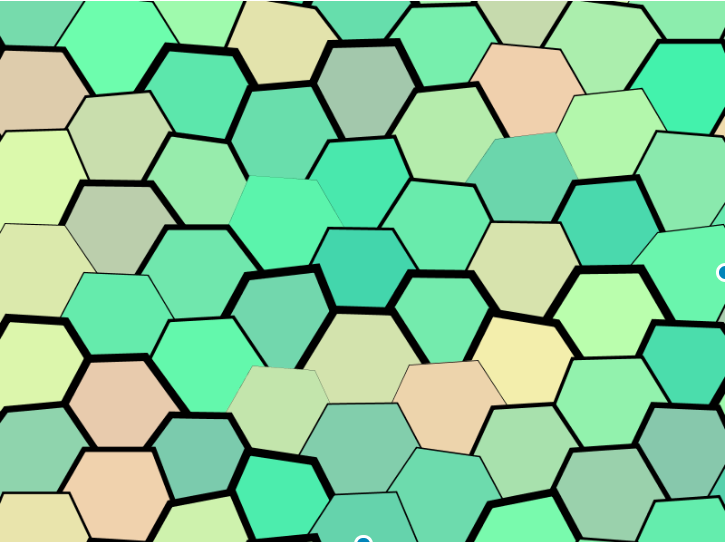
Vera Molnar is a famous computer artist with her own style. She really knows how to play with the order of computer art. Making the computer art playful, she adds massive functions related to noises and randomness. In her art,…
Art From Code: A Response to Vera Molnar
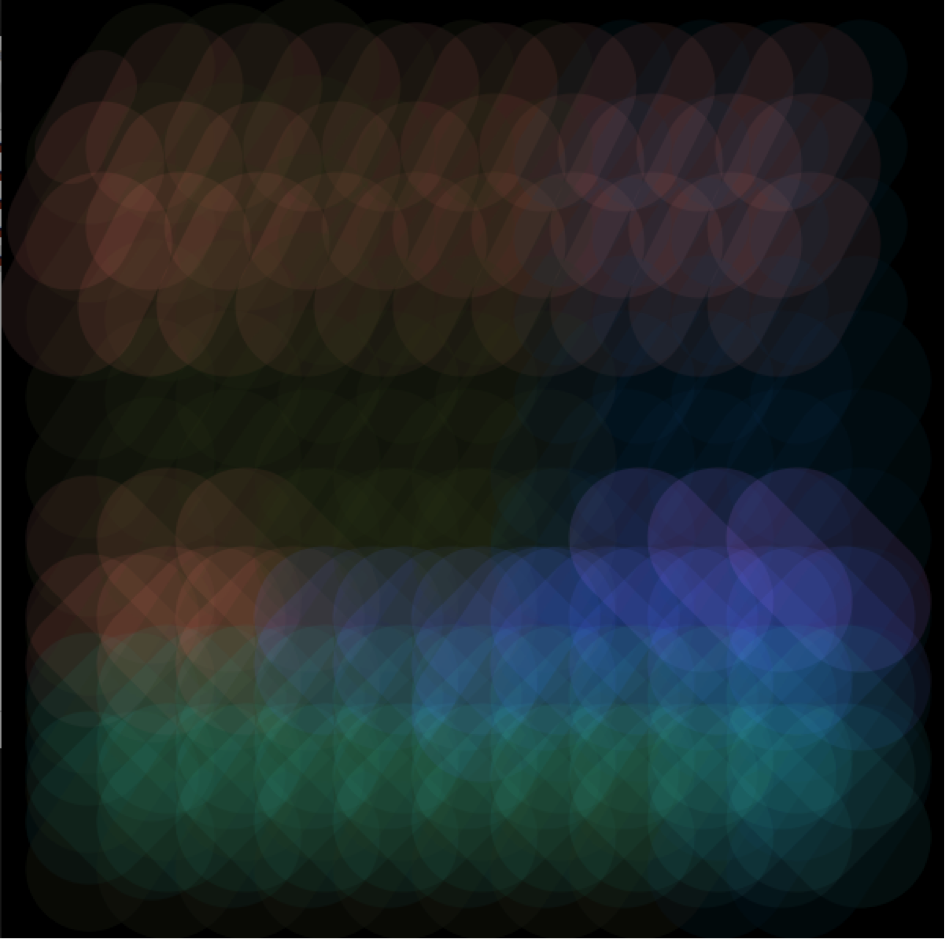
Some artists might start out their process toward a work of art with rules, with a grammar, but Vera Molnar tries to develop rules as she goes. These rules are derived through repetition, a process she calls “experimental methods of…
Art From Code: A Response to Grace Hertlein
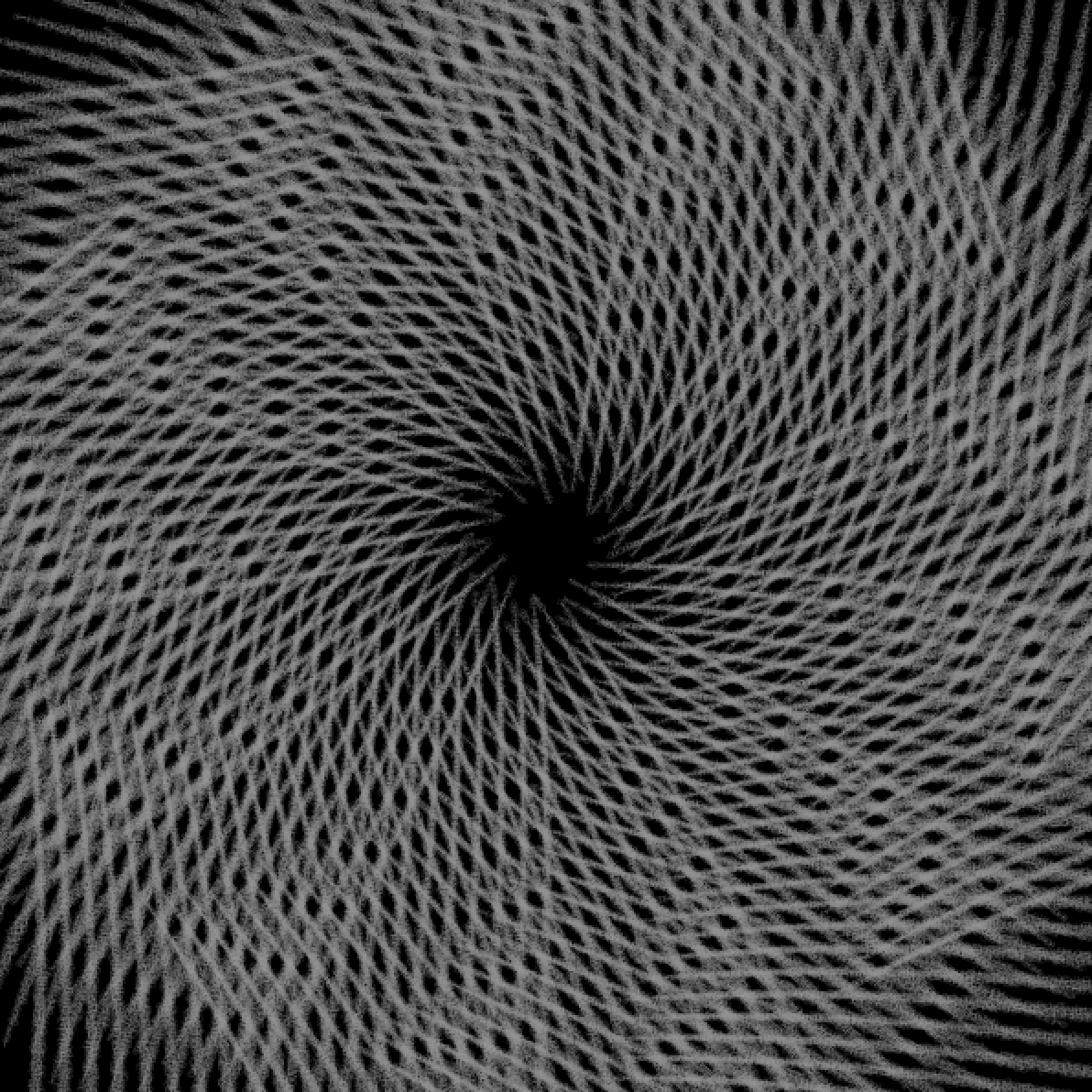
For this assignment I began with a for loop that rotates an ellipse. The ellipse is generate by incrementing a variable in the loop as well as through randomness. The sketch draws itself and continues to do so until the…
Art From Code: A Response to Grace Hertlein
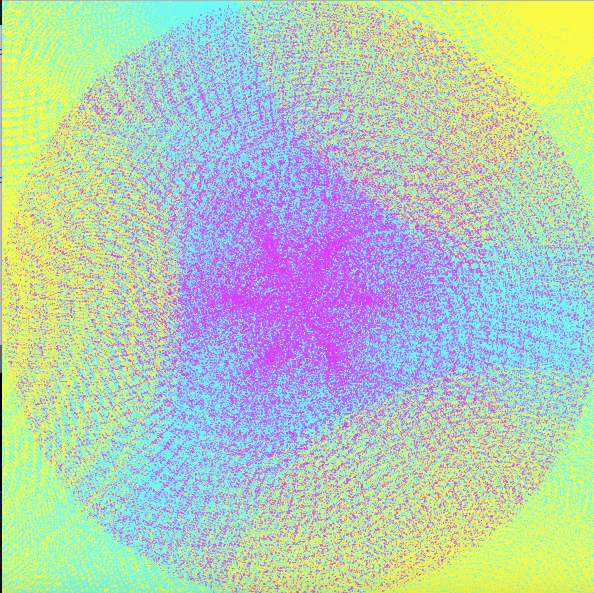
I was unable to predict the behaviors of each loop, so my process involved repeated subtle reconfiguring and experimentation with different permutations. The resulting images are a series of curated accidents.
Art from Code: A Response to Grace Hertlein
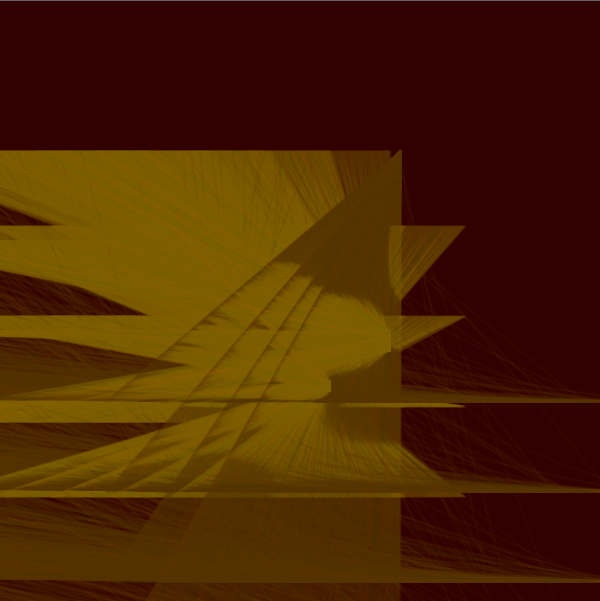
For my response to Grace Hertlein I focused on two things. One was to humanize the art and make it feel alive, the other to give the computer more control and follow the surprises it produced. To start, I thought…

Art From Code: A Response to Grace Hertlein
Grace C. Hertlein, professor at California State University, is a famous computer artist. She started her work in the mid-1940s and had her first exhibition, at the “Fall Joint Computer Conference”, in 1969. She has her unique understanding toward computer…

Art from Code: A Response to Grace Hertlein
Grace Hertlein liked to use repetition and randomness to make patterns that were inspired by nature. In these pieces, I took ideas from the “flower” example we in class worked on together and made expanded on the code in the…
Cultural HiJack: Survey HiJack
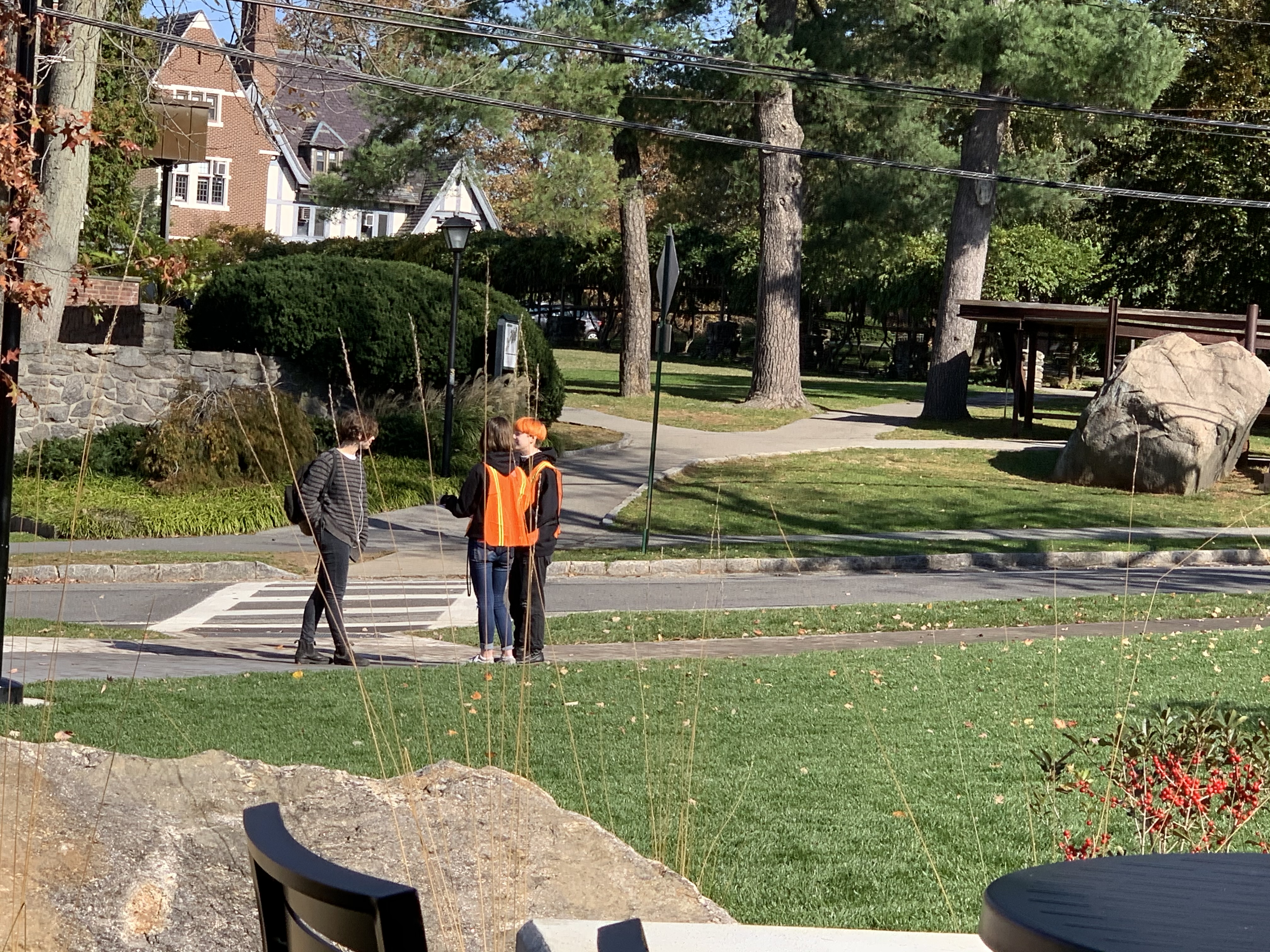
Project by Avery and Daly Our survey was based around the concept of Fall formal being replaced by team building night for future years to promote a stronger community on campus, and to compliment the rebranding of Sarah Lawrence College….

Art From Code: A Response to Georg Nees
Georg Nees was interested in using stochastic functions to disrupt formal structures. His work is characterized by a visible transformation from order to chaos. This is well demonstrated by Schotter (1968), in which a rotation and transformation disorder a grid….
Art From Code: A Response to Vera Molnar
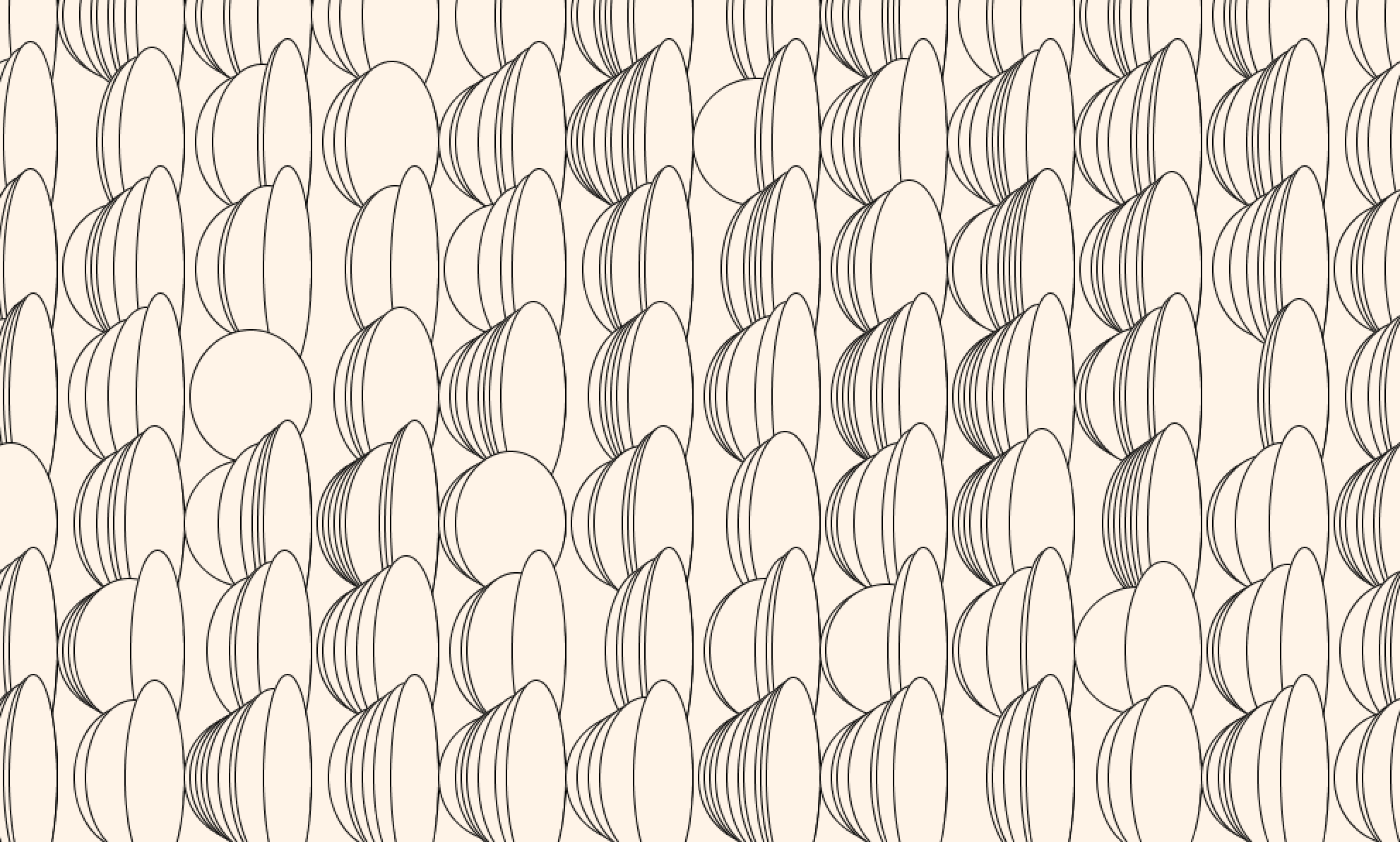
Vera Molnar is a very talented and unique artist. It might seem contradictory to call her talented when her work was essentially produced by a machine but I think the talent can be seen in the way she made the…
Art from Code: A Response to George Nees
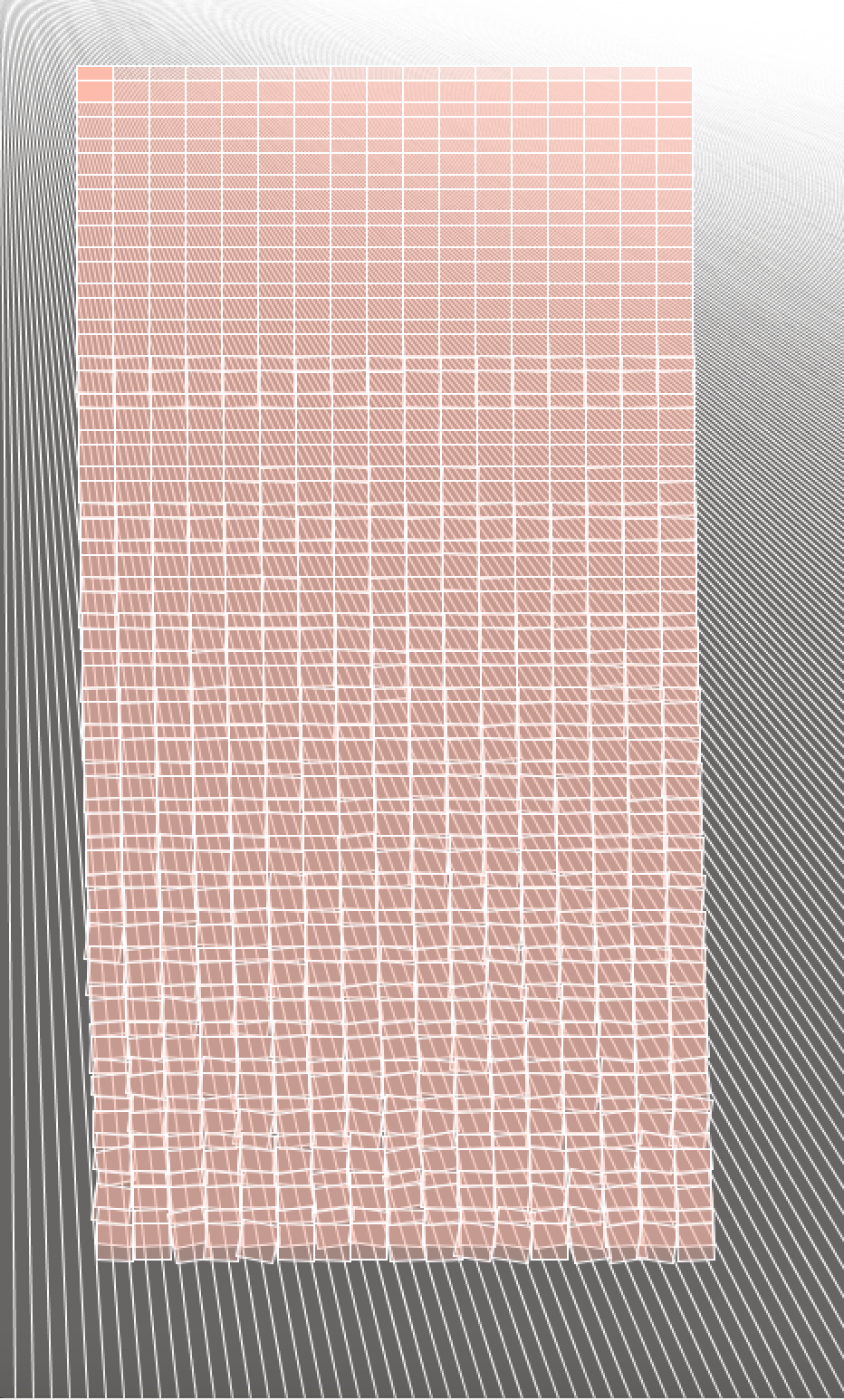
Modern generative graphic designer Georg Nees was a pioneer of computer art. One of Nees’ signature pieces is the Schotter (gravel in german). In this series he uses patterns, randomization, distruption and chaos to create a series of compelling digital…
Art From Code: A Response to Georg Nees
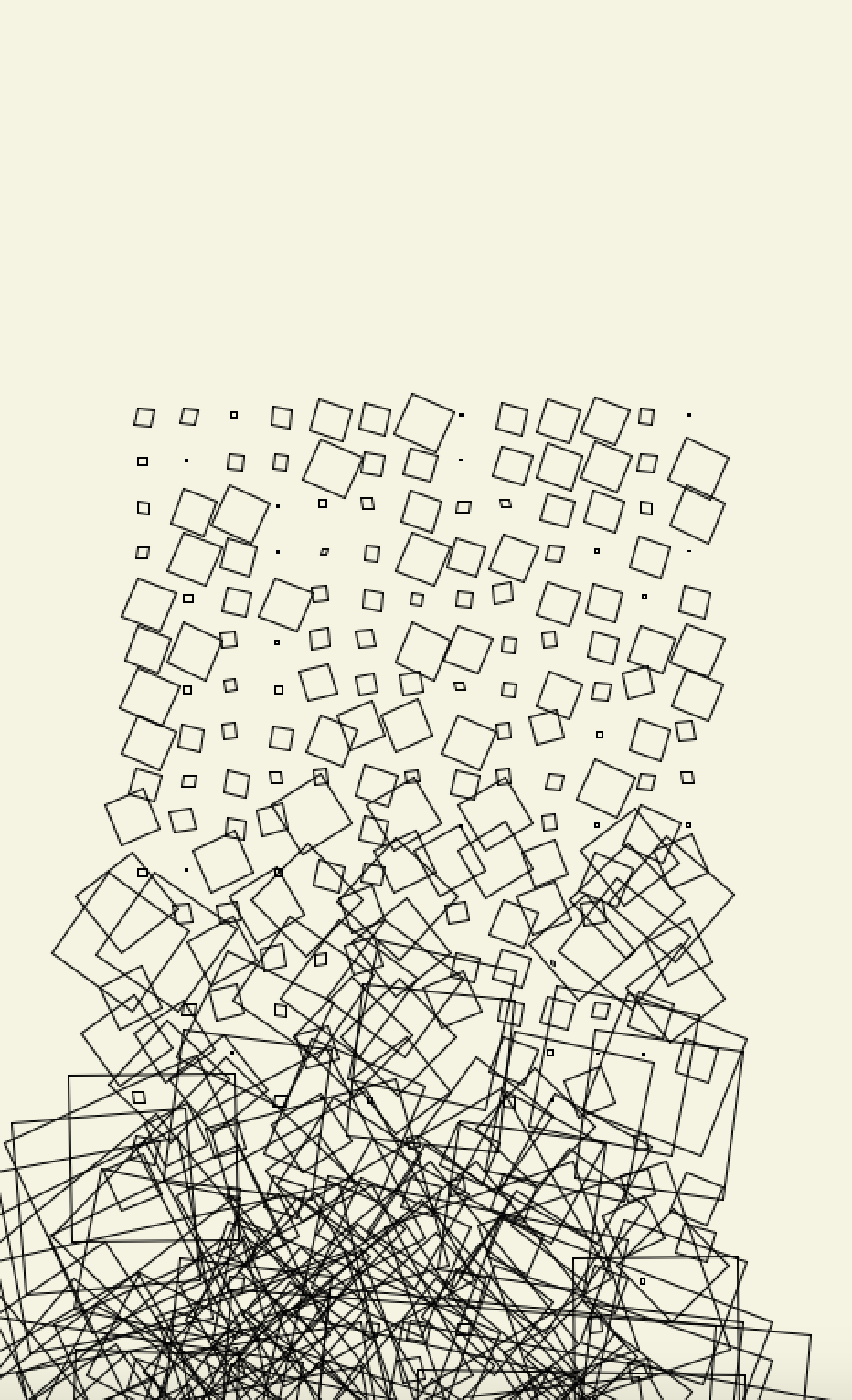
When I initially started the Georg Nees project, I didn’t expect to find myself quite so emerged in the process. However, that quickly changed as I began experimenting and exploring the different ways to make abstractions. Watching the video from…

Art from Code: A Response to Georg Nees
Generative Art has its first exhibition on February 4th, 1965. It held by Max Bense, professor at the University of Stuttgart, and Georg Nees, a mathematician who interested in art. As a pioneer of generative digital art, Nees has his…
Art from Code: A Response to Georg Nees
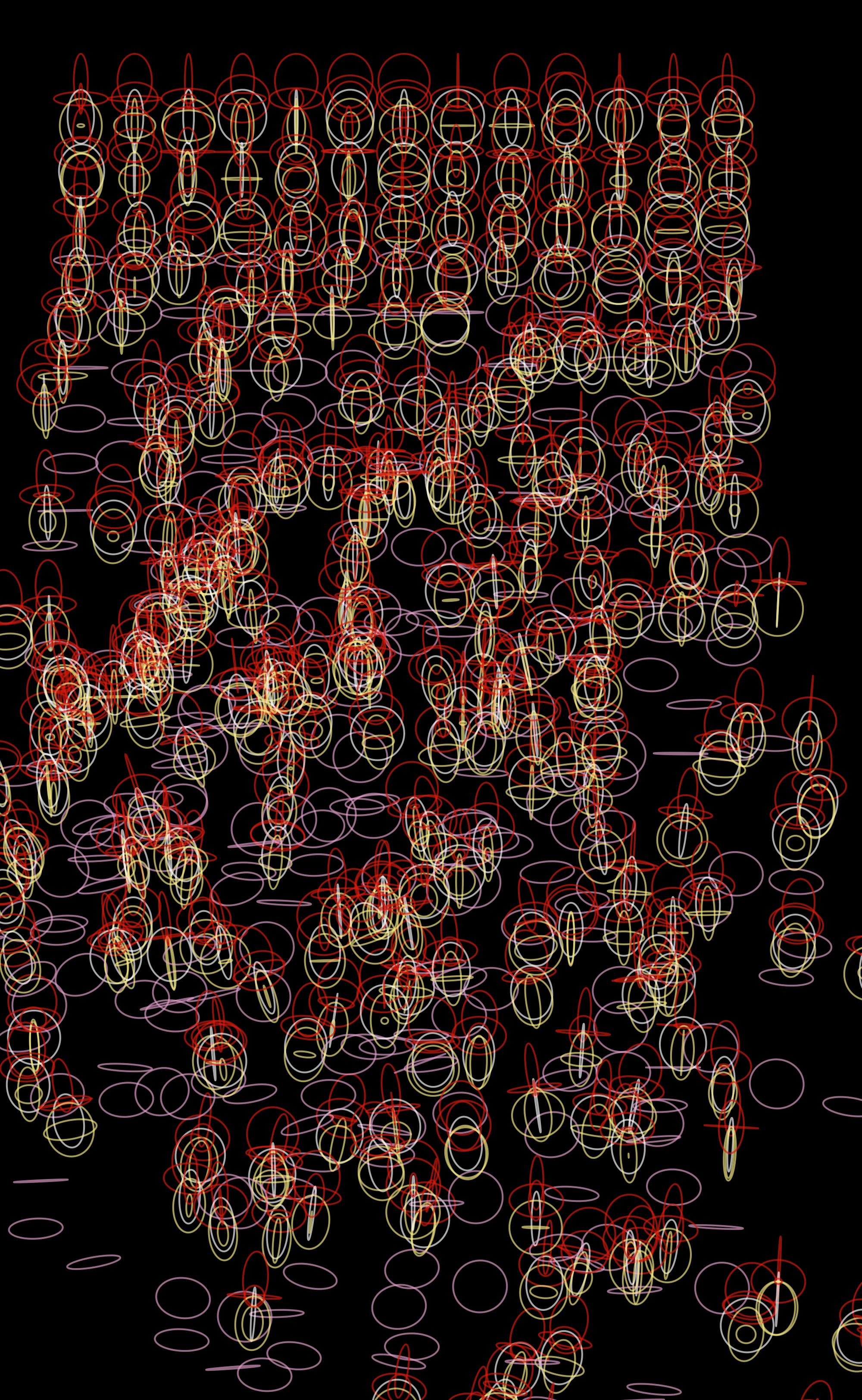
When examining Georg Nees’s work, I became perplexed with his ability to seamlessly alter his structures using ‘randomization.’ I love the thought of messing with set, orderly structures, however, I am usually a bit afraid to randomize aspects of my…
Art from Code: A Response to Georg Nees
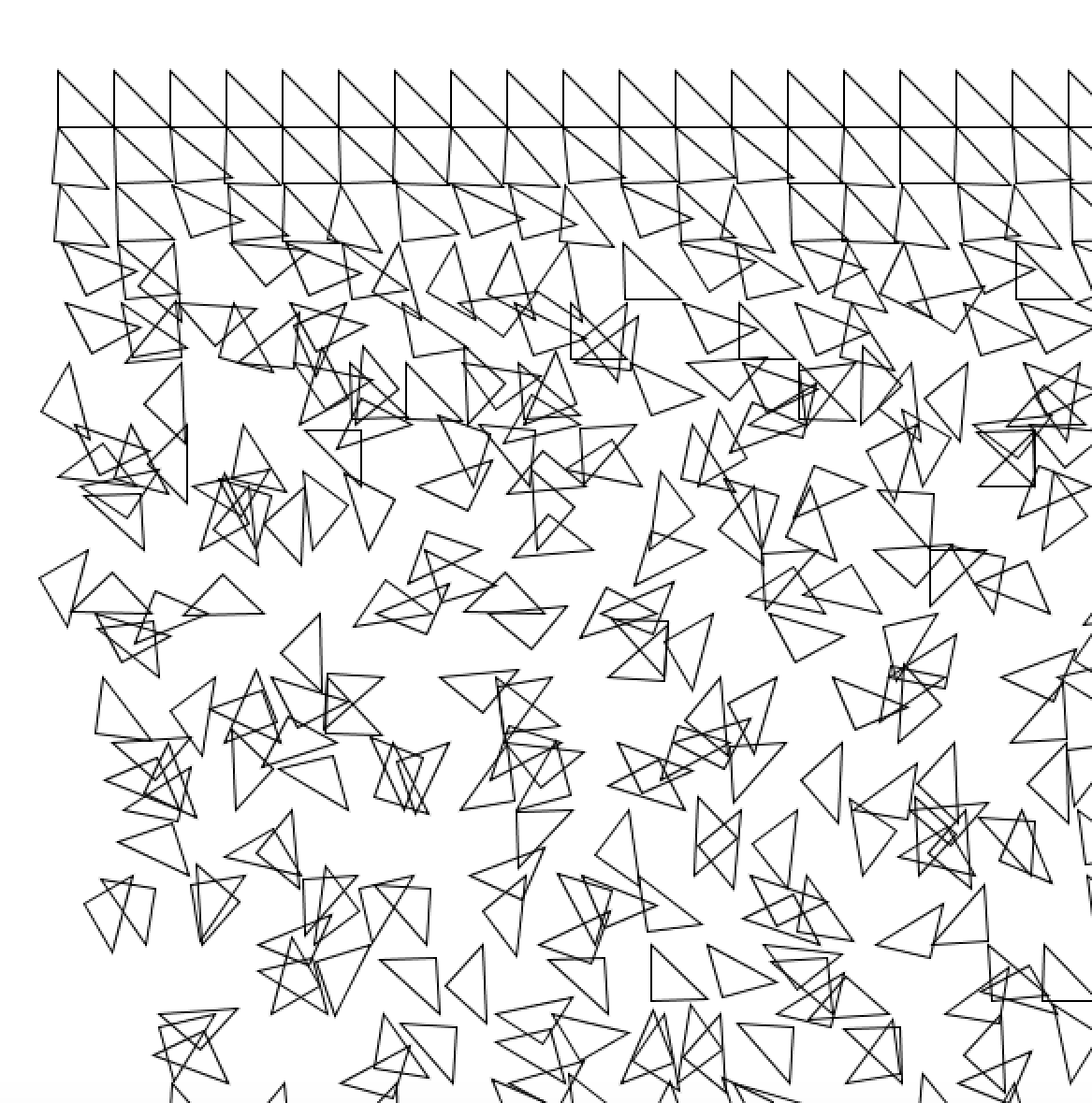
For my responses to Georg Nees, I took the ideas behind his work “Gravel” and incorporated them in my responses. The idea behind “Gravel” are the disruption of a formal pattern. Nees also enjoyed the idea of variation within a…